Logline
By tracing her family’s history of resistance to Enver Hoxha’s totalitarian regime, filmmaker Anisa Selenica uncovers how political repression shaped generations and how reclaiming memory becomes an act of freedom.
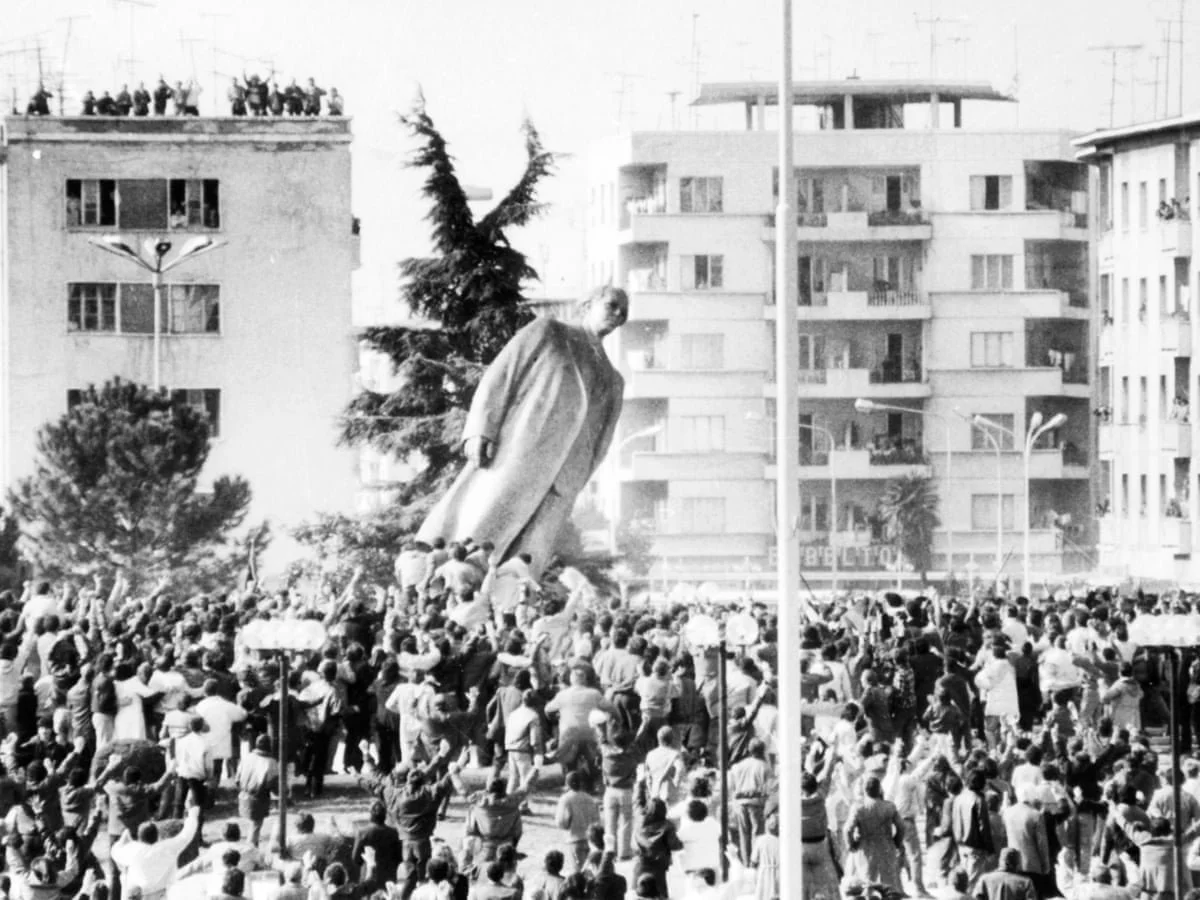
A Journey to Freedom is a feature-length documentary that examines the legacy of Communist Albania through the intimate lens of two families. In 1944, dictator Enver Hoxha rose to power, sinking Albania into a totalitarian ruin. At the center of the film are the director’s grandfather, Tomor Selenica, and great-grandfather, Alush Lleshanaku, two men whose lives were shaped by resistance, survival, and loss under Hoxha’s totalitarian regime. Tomor Selenica escaped a labor prison while Alush Lleshanaku advanced in the ranks of one of the largest anti-communist resistance groups.
The narrative moves between past and present, assembling a nonlinear chronology in which historical events such as foreign occupation, ideological alignment, purges, and eventual political collapse intersect with lived experiences and those who endured them. Through family testimony, archival materials, and present-day footage, the film reconstructs their trajectories, from political imprisonment and illness to attempted escape and exile, and, in Alush’s case, death at the hands of the regime. These individual histories unfold within the larger story of Albania’s transformation into one of the most repressive and isolated states of the twentieth century.
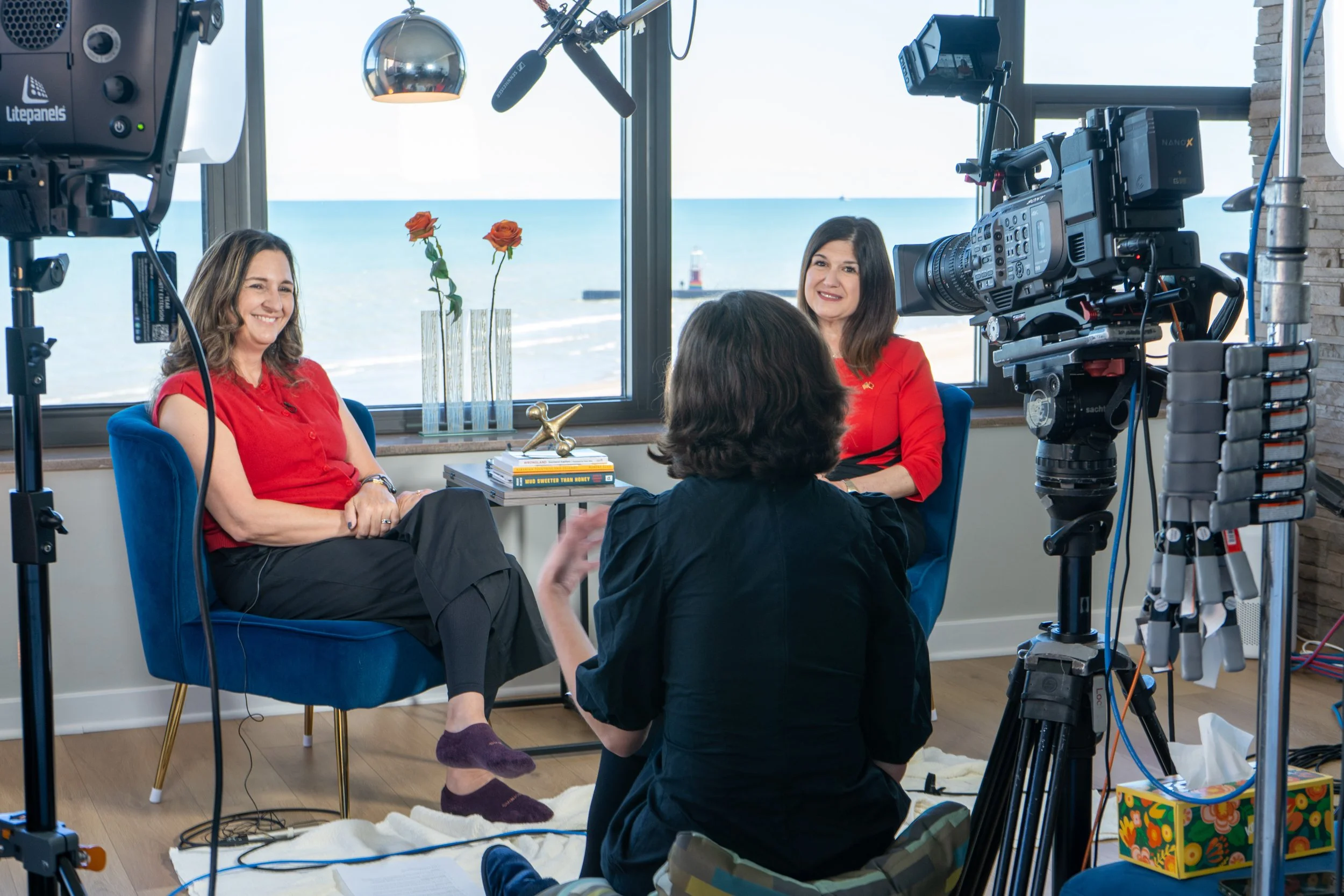
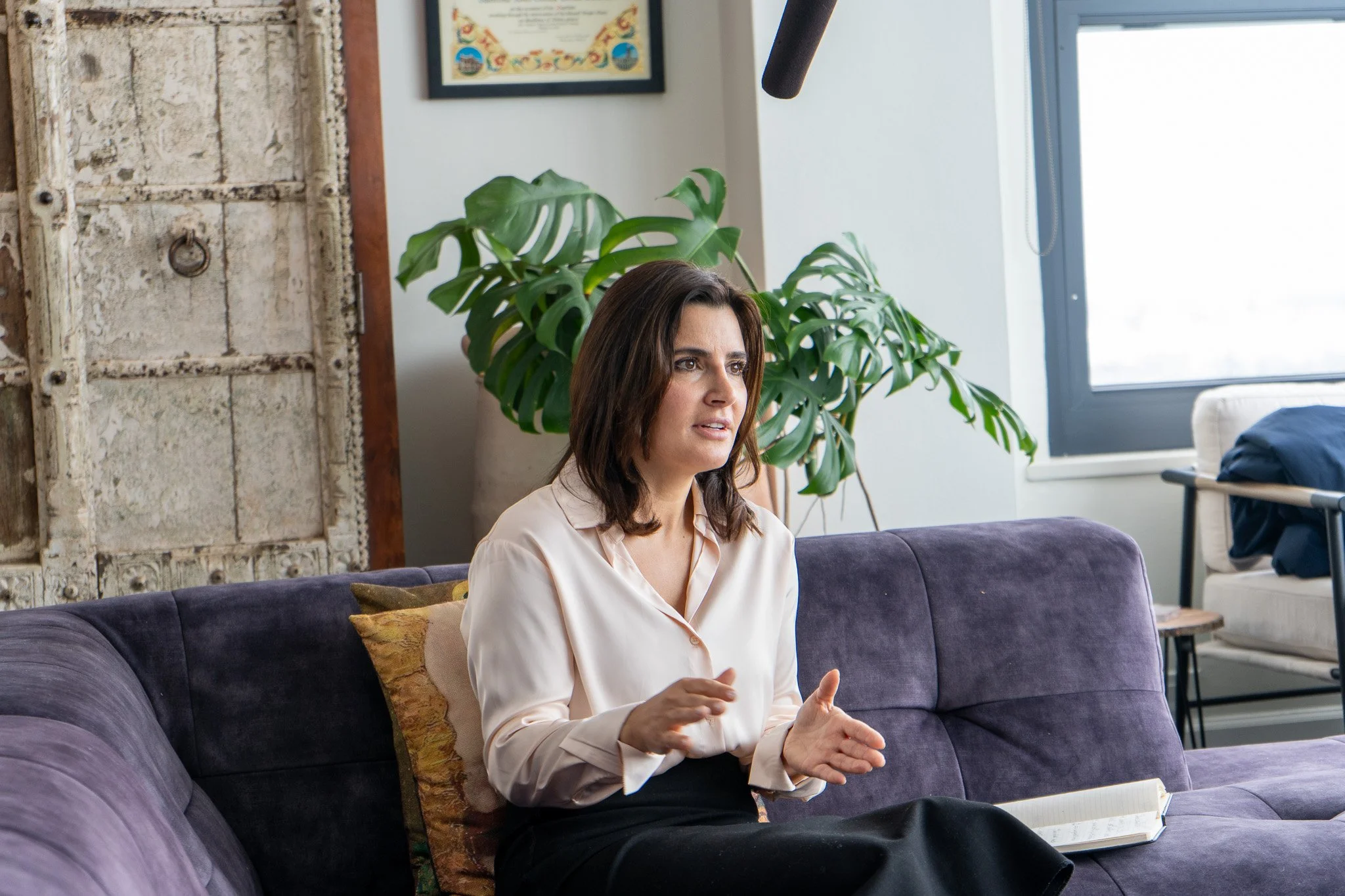
The scope of the film extends beyond the family through conversations with historians, writers, political figures, and a psychologist, including professors Gazmend Kapllani and Enriketa Papa. These voices provide context while also introducing tension between public narrative and private experience. Psychologist Sonila Sejdaras, for instance, offers a framework for understanding how trauma persists across generations, deepening the film’s emotional and psychological dimension.
A Journey To Freedom amplifies the voices of the silenced. Rather than presenting history as stable or complete, like a set of facts coldly written out in a textbook, the film reveals the past as contested and fragmentary, shaped as much by personal memory as by official record.
A raw, emotional investigation of a history written by the oppressor and now gathered by Director Anisa Selenica, the descendant of these two brave men.
This is the story of two families surviving and fighting against a dictatorship, gaining independence both in America and Albania. While the film offers a glimpse into Albania’s past and its continued struggle to define its place in the contemporary global context, we learn about the turmoil of younger generations as they grow further removed from the realities of communism and the resilience of their predecessors.
Film Summary
Sample Above
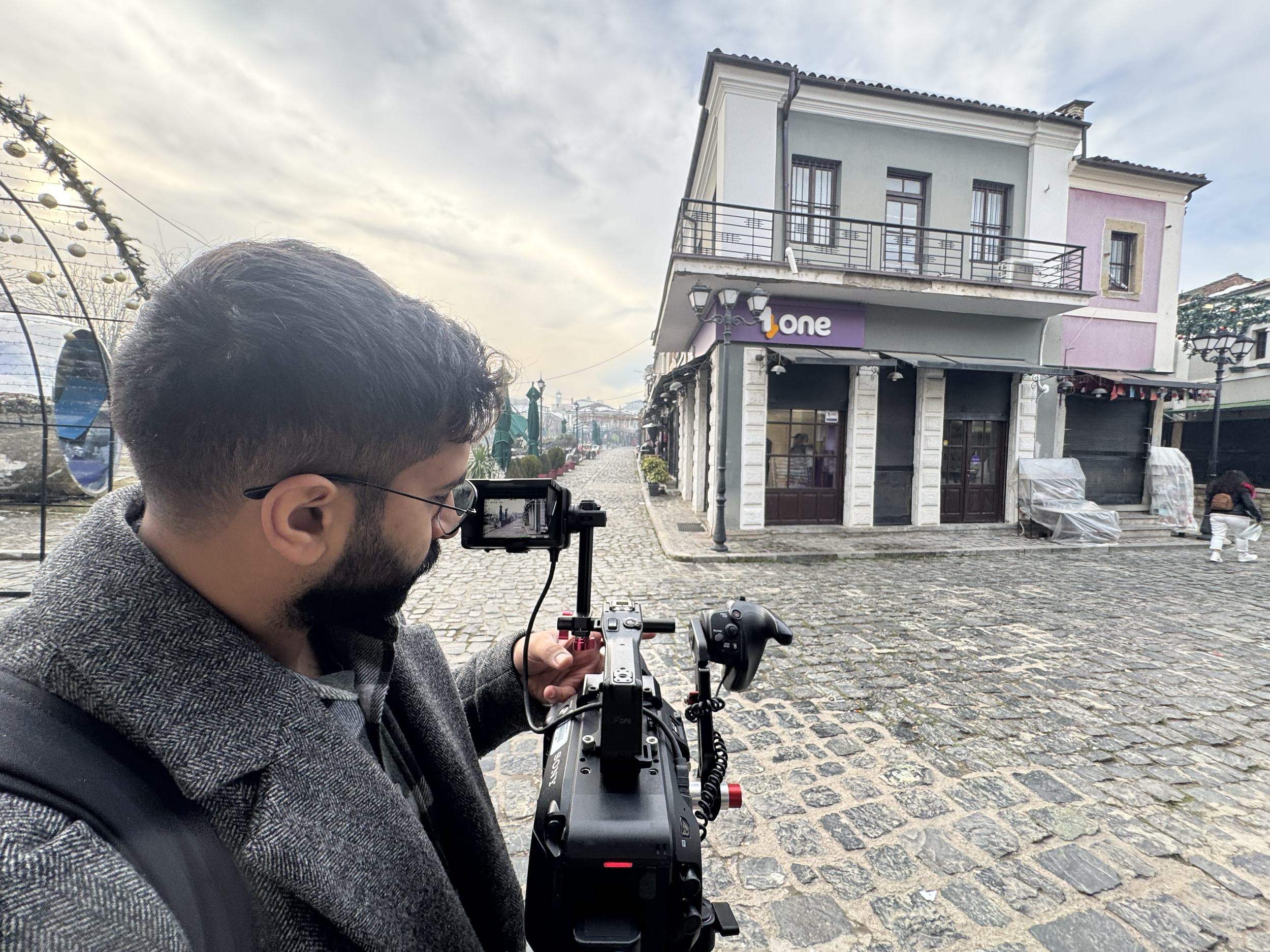
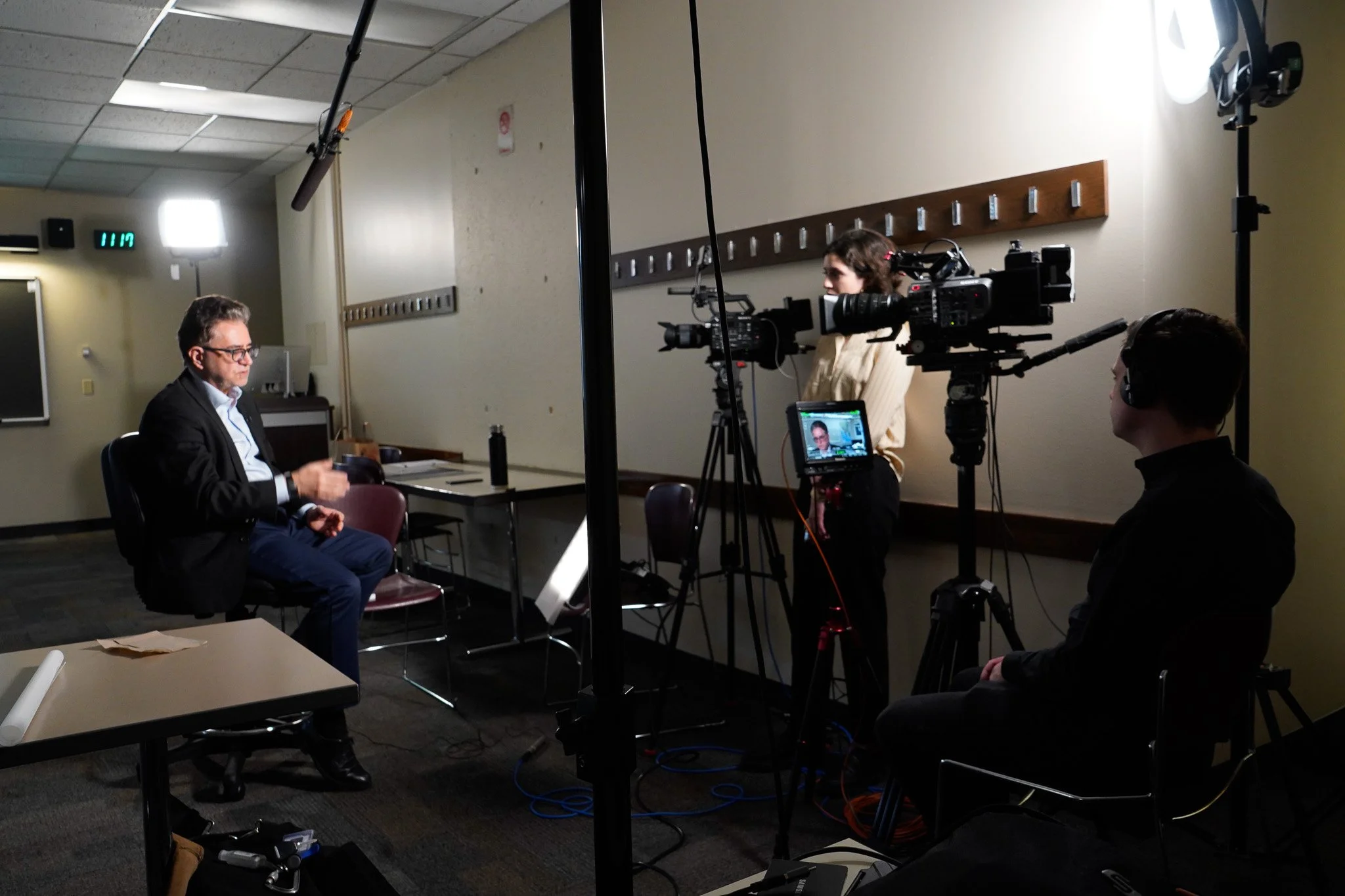
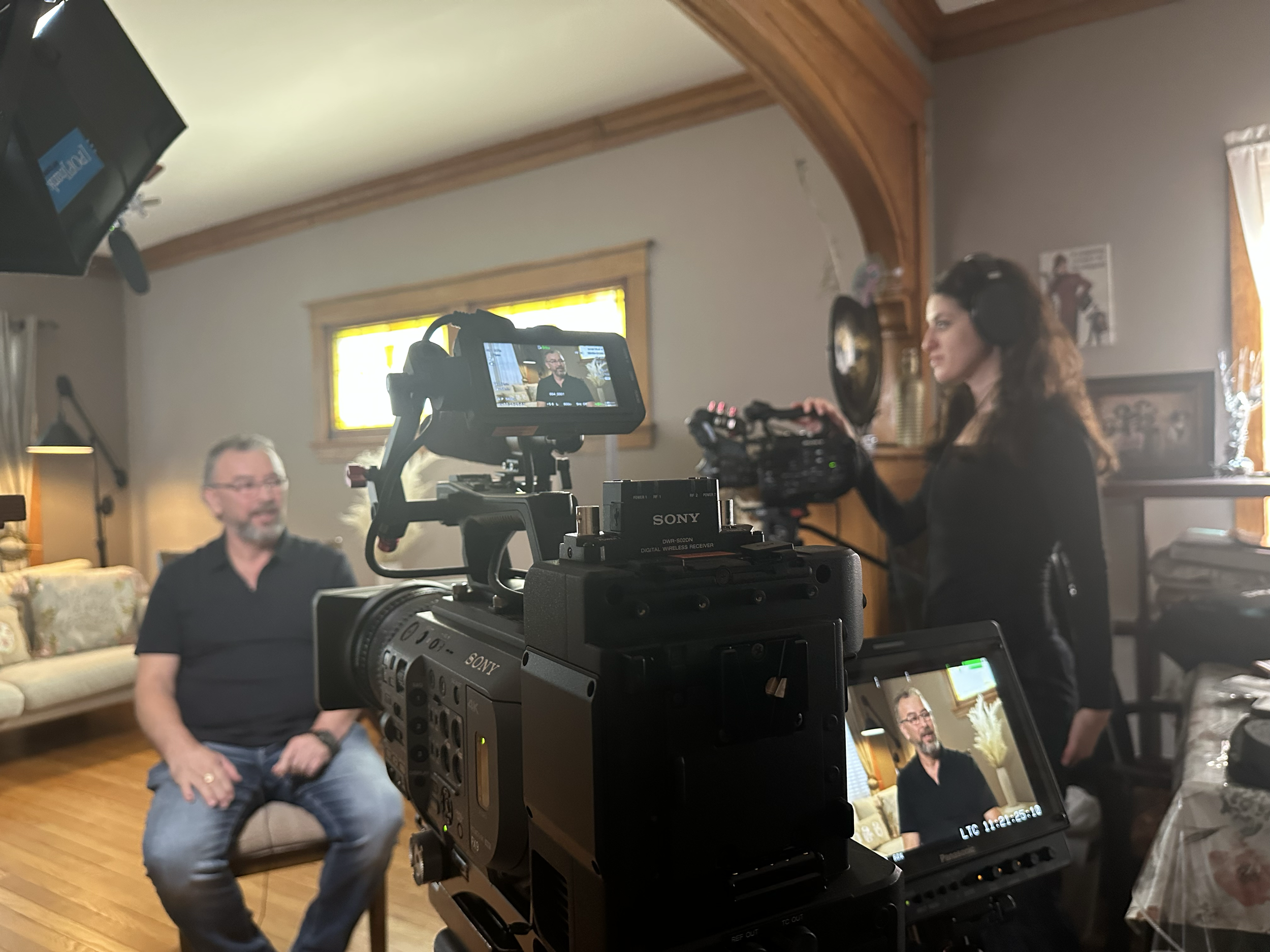
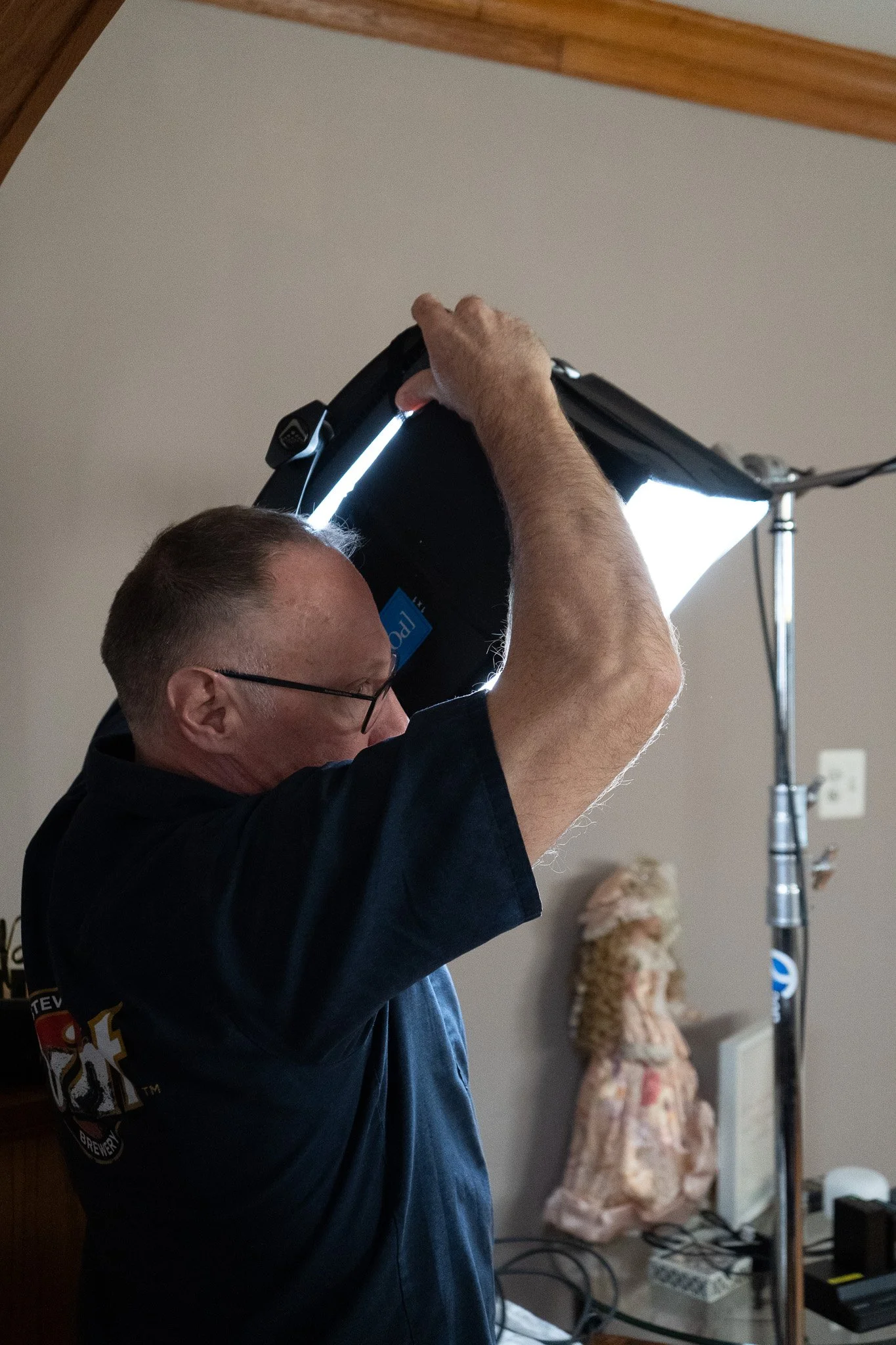
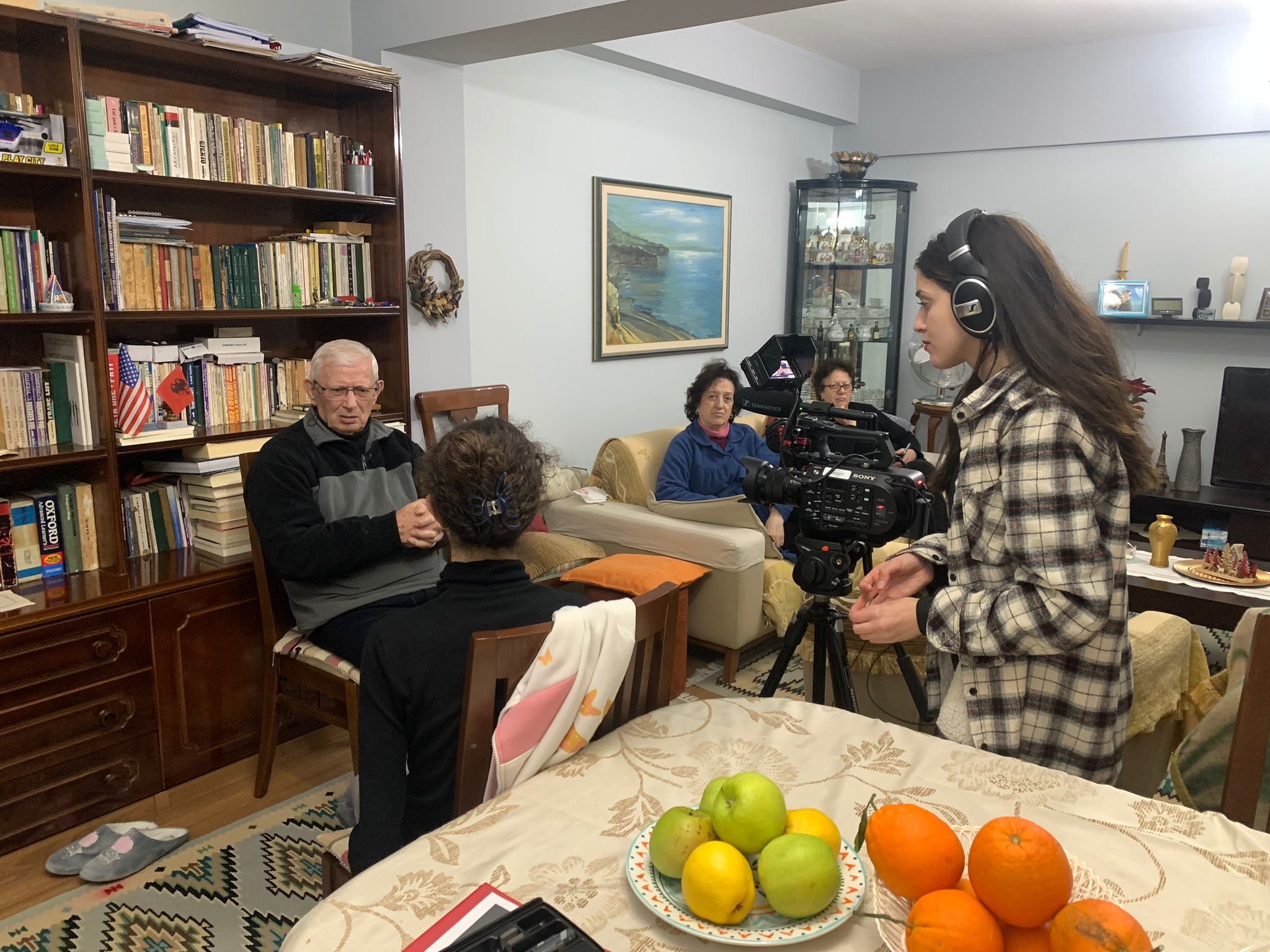
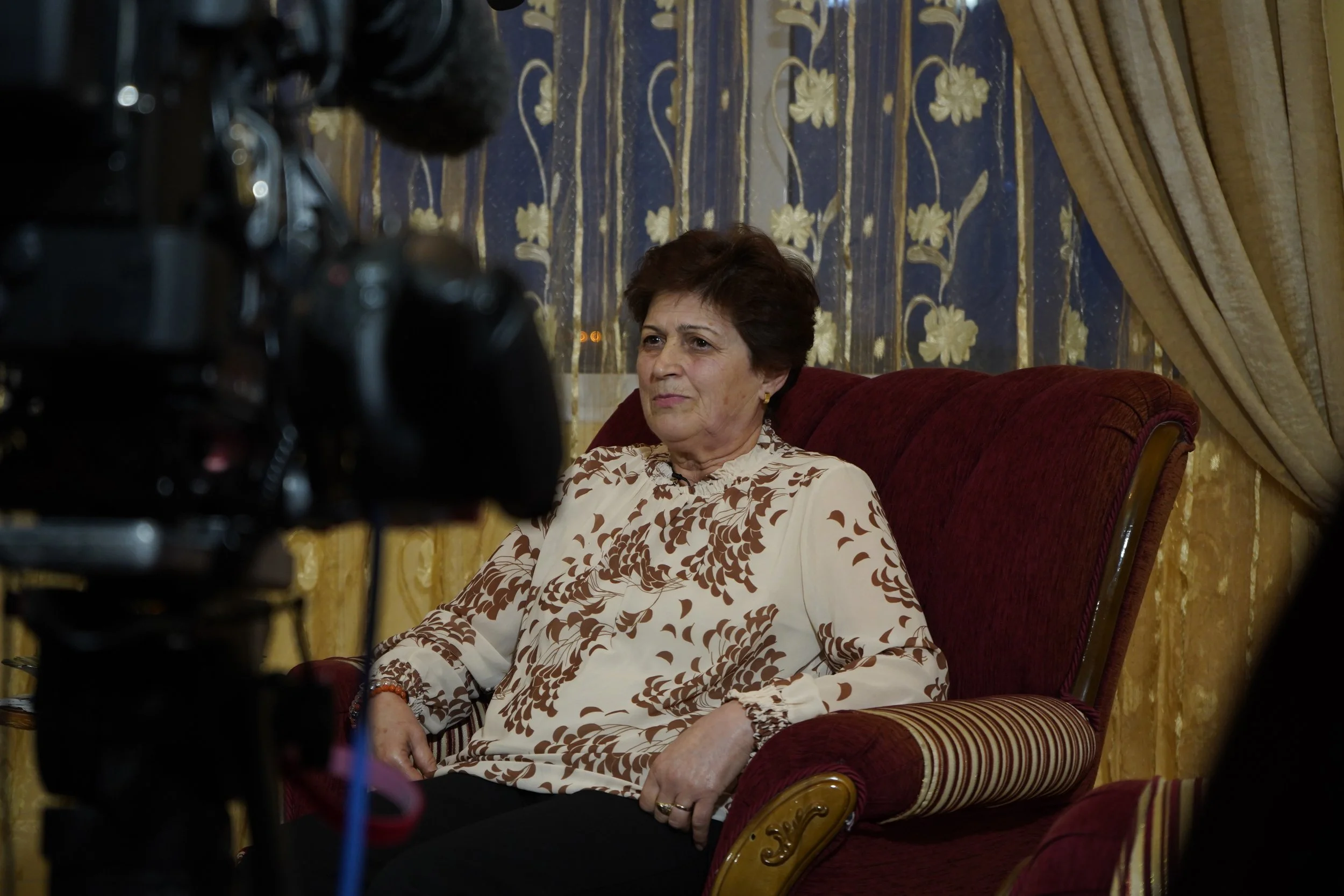
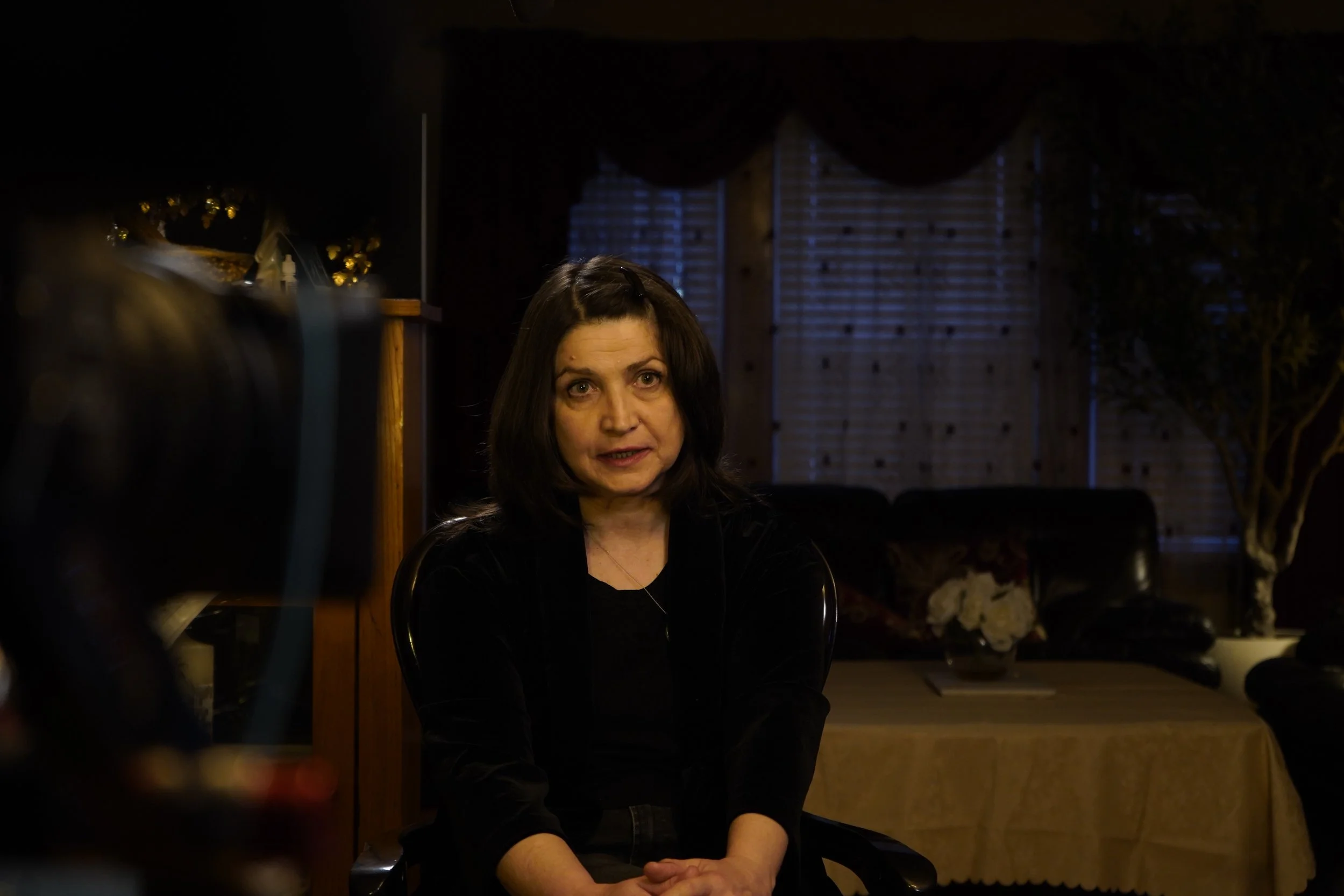
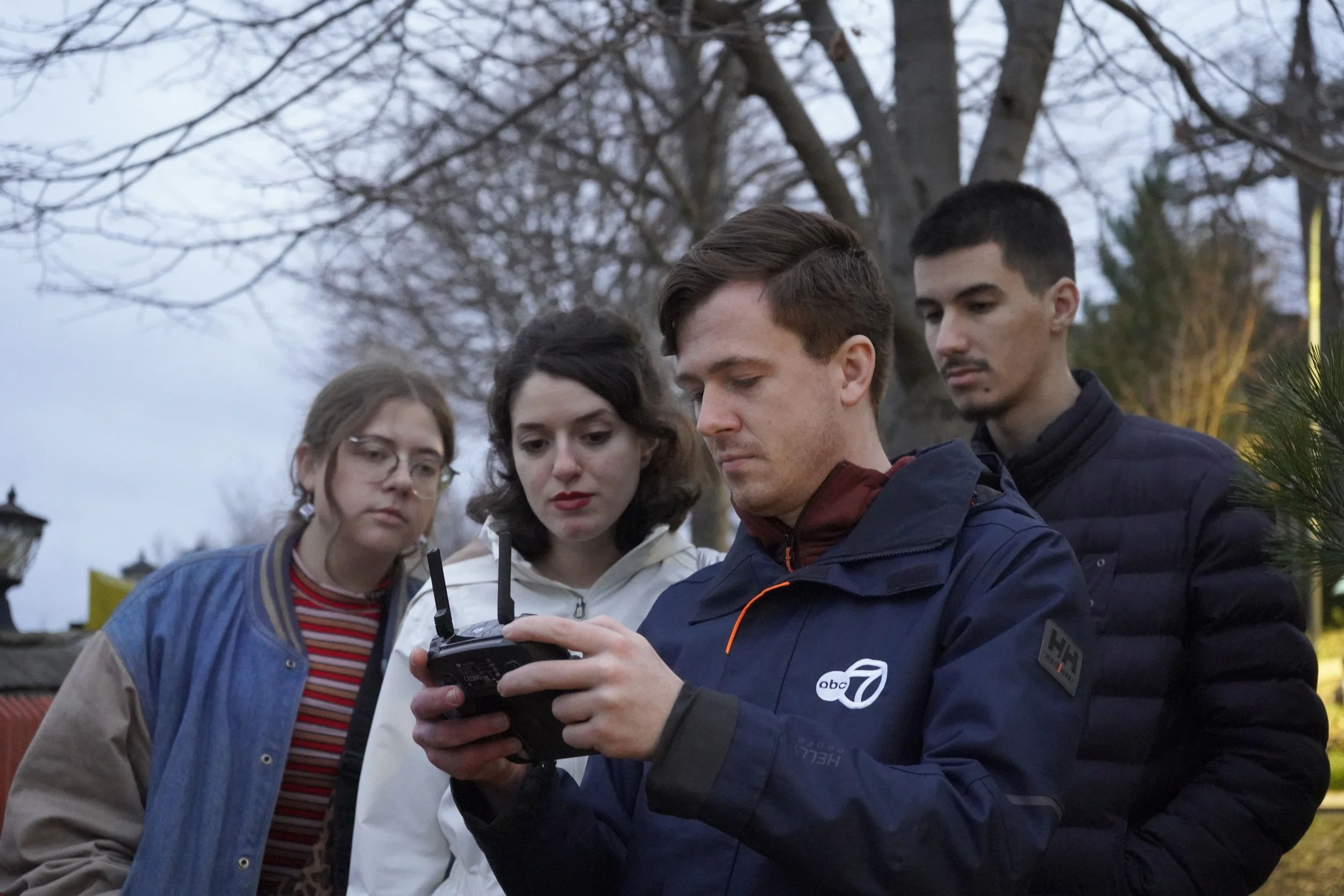
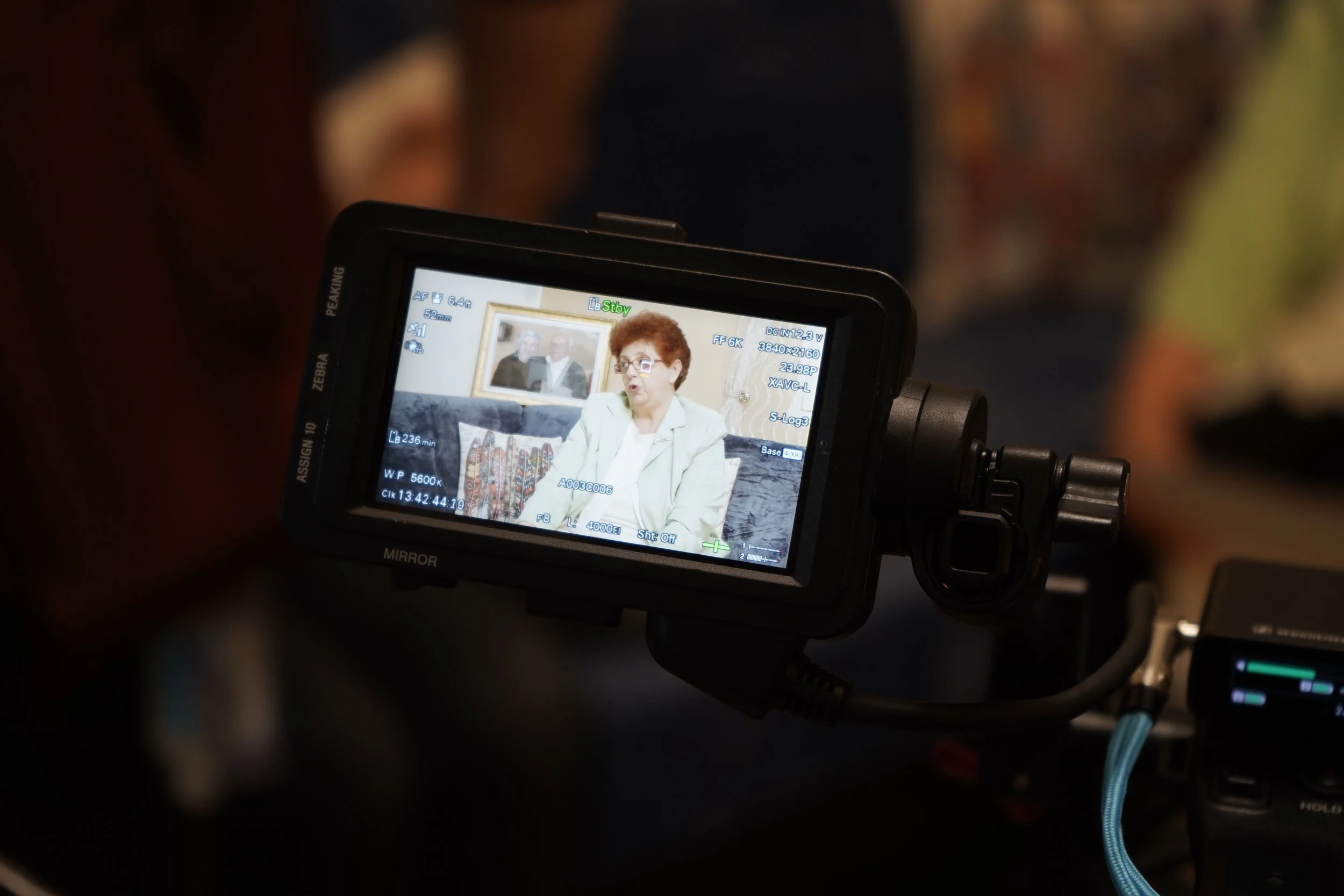
The sample is a combination of scene excerpts and character-driven moments drawn from production. It centers on the story of Alush Lleshanaku, whose execution under Albania’s communist regime forms a key narrative thread, and the lived memory of his daughter, Amazona Malasi, whose experiences of internment, starvation, and loss anchor the emotional core of the film. The footage emphasizes the tension between ideological promise and lived reality, introducing Enver Hoxha as both a historical figure and an enduring force shaping experience, alongside an interview with Gazmend Kapllani, Enriketa Papa, and Sonila Sejdaras that reflects on this legacy. What is present is the emotional weight of memory and the conditions of life under the regime. What remains absent is the fuller migration and escape narrative, as well as additional cinéma vérité scenes that will deepen the film’s observational dimension. While the current sample leans more heavily on archival material, the finished film will shift toward a greater emphasis on filmed scenes, drone footage, and b-roll, grounding the story more fully in lived, present-day experience.
Uncover
our story
This deeply personal project is currently in production, and we need your help to bring it to life.
Support the film by donating on GoFundMe, and help us preserve the voices of those who were never heard.
Contact Us
Have questions? Fill out some info and we will be in touch shortly. We can’t wait to hear from you!